It Takes More Than a Physician: Assembling Your Local Care Team
When most Americans picture their healthcare, they picture one person: the doctor. Yet the reality of modern medicine in the United States looks far more like a small ensemble than a solo performance. Behind nearly every well-managed chronic condition, successful recovery, or lasting lifestyle change stands a team of professionals whose names rarely appear on the door of the exam room.
At a neighborhood clinic, that team is closer than you might think. Understanding who does what — and when to ask for them — can transform fragmented appointments into coordinated, continuous care.
Why One Provider Is Rarely Enough
Consider a patient managing type 2 diabetes. A physician may diagnose the condition and prescribe medication, but the daily work of living well happens far from the exam table: at the grocery store, in the kitchen, on the walking trail, and in the financial decisions that determine whether prescriptions get filled. No single clinician, however skilled, can be present for all of it.
Research on team-based care consistently shows that patients supported by multiple coordinated providers experience better outcomes, fewer hospitalizations, and higher satisfaction. The challenge is that many patients do not know these other professionals exist, let alone how to access them.
The Supporting Cast, Explained
Nurse practitioners (NPs) and physician assistants (PAs) are licensed clinicians who diagnose conditions, order and interpret tests, and prescribe medications. In many community clinics, they handle the majority of routine and follow-up visits. If your schedule makes it hard to see your physician promptly, an NP or PA often offers the same continuity of care with greater availability.
Physical therapists (PTs) do far more than guide athletes back to the field. They help patients recover from surgery, manage chronic back and joint pain, regain balance after a fall, and maintain mobility with age. Requesting physical therapy early — rather than after weeks of limping along — frequently shortens recovery time.
Registered dietitians (RDs) are the credentialed nutrition experts of the healthcare world, distinct from self-described nutritionists. An RD translates a diagnosis like hypertension or celiac disease into an actual meal plan, accounting for budget, culture, and family habits. Most insurance plans, including Medicare, cover medical nutrition therapy for certain conditions.
Social workers address the circumstances that shape health but rarely appear on a chart: housing instability, food insecurity, transportation barriers, caregiver stress. A clinical social worker can connect patients with community resources, assist with insurance appeals, and support families navigating a serious diagnosis.
Community health workers (CHWs) are trusted local liaisons who understand both the healthcare system and the neighborhoods it serves. They help patients prepare for appointments, follow up on referrals, and bridge language and cultural gaps — a role increasingly recognized in US public health, from community health worker certification programs in states like Ohio and Texas to outreach initiatives in rural health networks.
Pharmacists and behavioral health counselors round out the picture. The former reviews medications for interactions and simplifies regimens; the latter addresses the anxiety, depression, and stress that so often accompany physical illness.
When to Bring Each Provider In
Timing matters. Some general guideposts:
- New diagnosis? Ask for a dietitian or educator referral within the first month, when habits are still forming.
- Surgery scheduled? Meet the physical therapist beforehand; pre-habilitation improves post-operative outcomes.
- Struggling to afford or fill medications? A social worker or the clinic's financial counselor can often find assistance programs before a lapse in treatment occurs.
- Feeling overwhelmed by appointments and paperwork? A community health worker can help you organize and prioritize.
- Persistent sadness, worry, or sleeplessness alongside a physical condition? Integrated behavioral health services at your clinic can address both at once.
How a Neighborhood Clinic Orchestrates It All
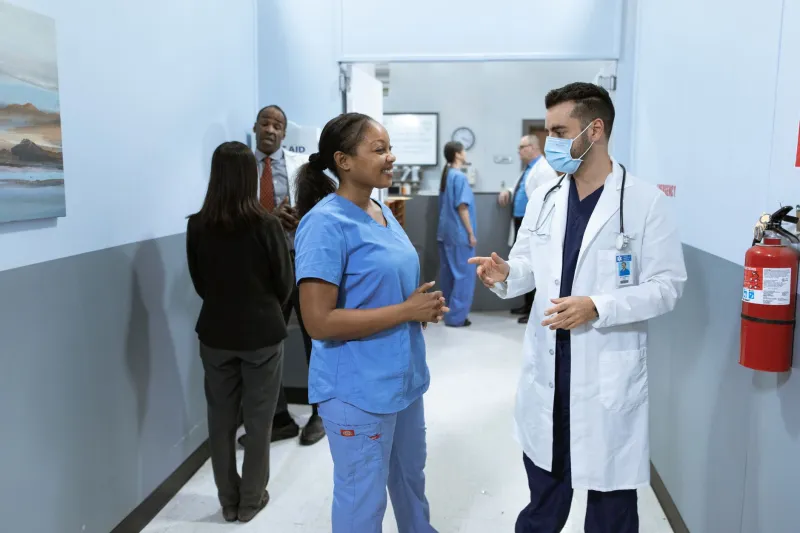
The difference between a team and a collection of strangers is coordination. Community-based clinics are structured for it: providers share records, hold case conferences, and — critically — know one another. When your physician, dietitian, and social worker can speak directly rather than through faxed referrals, care plans stay coherent.
Patients can strengthen this coordination themselves. Ask your primary care provider to serve as the point person for your care. Keep a written list of every provider you see and the medications you take. Request that visit summaries be shared among your team members. These small habits turn a loose network into a genuine system of support.
An Invitation, Not an Afterthought
Healthcare built around a single overburdened physician is neither sustainable nor, for most patients, sufficient. The stronger model is a village: clinicians and allied professionals, each contributing a distinct expertise, coordinated through a clinic that knows you by name.
If you have been managing a condition alone, consider this your permission slip to ask for reinforcements. Most of these services require nothing more than a conversation with your primary care provider and a referral. Your health, like your life, is not a solo act — and your local clinic already has the rest of the cast assembled.