Seven Habits Skewing Your Lab Work Before You Even Arrive
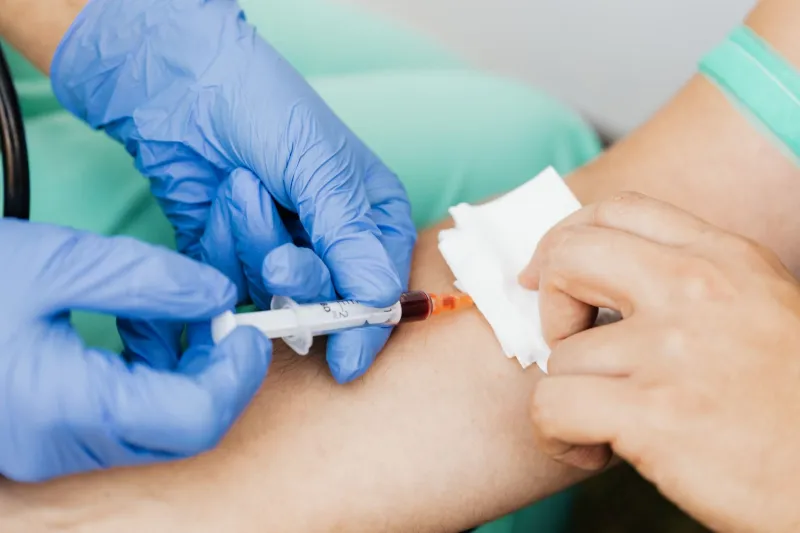
Every year, thousands of lab results get flagged as abnormal for reasons that have nothing to do with anyone's health. The culprit is usually preparation — or the absence of it. Before your next blood draw, a look at the seven most common self-inflicted distortions, and how to avoid them.
1. Fasting Too Long
If your test requires fasting, the standard window is 8 to 12 hours. Stretching it to 16 or 18 hours — skipping dinner entirely and pushing the appointment to mid-afternoon — doesn't improve accuracy. Prolonged fasting can actually elevate cholesterol and liver enzyme readings and leave you lightheaded for the draw. Water is fine and encouraged; coffee, even black, is generally not.
2. A Hard Workout That Morning
Vigorous exercise within 24 hours of a blood test can temporarily raise muscle enzymes like creatine kinase, and dehydration afterward can concentrate your blood, skewing hematocrit and other values. If your routine includes a morning run, schedule the draw before the workout or take a rest day.
3. Timing Supplements Wrong
Biotin — the darling of hair and nail supplements — is a notorious offender, capable of throwing off thyroid and hormone assays in both directions. Many providers recommend pausing biotin for at least 48 hours before testing. Bring a list of everything you take; supplements count.
4. The Undisclosed Glass of Wine
Alcohol within 24 hours can elevate liver enzymes and triglycerides, sometimes dramatically. Patients sometimes omit this detail, fearing judgment. Your provider isn't grading your evening — they're interpreting your numbers. Mention it.
5. Testing at the Wrong Time of Day
Cortisol, iron, and several other values follow daily rhythms. An iron panel drawn in the afternoon reads differently than one drawn at 8 a.m. When your provider orders a time-sensitive test, honor the timing they specify.
6. Dehydration — or Overhydration
Too little water makes veins harder to find and concentrates your blood; chugging bottles right before can dilute sodium readings. A normal glass or two of water the morning of is the sweet spot.
7. Ignoring Medication Instructions
Some medications must be taken before the draw; others should wait until after, especially with thyroid panels. Confirm with your clinic rather than guessing — a quick call to the nurse line prevents a wasted trip.
The Bottom Line
Clean preparation means cleaner results, fewer repeat draws, and fewer false alarms that lead to unnecessary anxiety or testing. When in doubt about any instruction, ask before the appointment, not after the results arrive. Your future self — reviewing an accurate report — will be grateful.