Twenty Minutes Late Is a Decision: How Clinics Spend Your Time and How to Get Some of It Back
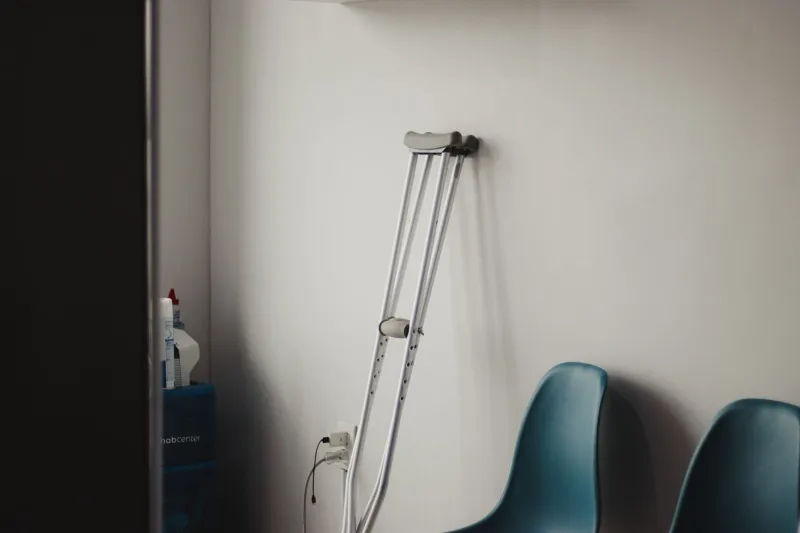
There is a particular kind of frustration in watching the clock crawl past your appointment time while sitting in a waiting room you did not plan to occupy. You scheduled the 2 PM slot weeks ago. You rearranged work, arranged a ride, maybe arranged childcare. And yet at 3:20, a medical assistant is finally calling your name. It is fair to ask what happened to those eighty minutes — and it is fair to expect an answer.
Delays Are Rarely Accidents
Most patients assume a late-running clinic is a disorganized one. Sometimes that is true. More often, however, the schedule is running behind because the clinic made a series of deliberate choices — some defensible, some worth questioning.
The most common cause is unscheduled need. A patient arrives with chest pain, or a child spikes a fever mid-morning, or a routine visit uncovers something that requires thirty extra minutes of attention. Clinics that accept same-day sick visits — a genuine community service — do so by borrowing time from the booked schedule. That borrowed time comes from somewhere, and usually it comes from you.
The second cause is the visit that outgrows its slot. A fifteen-minute follow-up can easily become a forty-minute conversation when a blood pressure reading comes back high or a patient finally mentions a symptom they have been sitting on for months. Clinicians will not rush past a serious finding, and most patients would agree they should not. But the math still has to balance by the end of the day.
The third cause is administrative friction: insurance verification that fails at check-in, forms that were never sent ahead, a lab result that needs a physician's review before the visit can begin. None of these are medical problems. All of them eat minutes.
The Trade-Off Nobody Puts on a Sign
Every clinic is quietly running three schedules at once: the booked schedule, the walk-in schedule, and the emergency schedule. When those collide, something has to give.
A clinic that protects booked appointments perfectly will turn away acutely ill patients or send them to the emergency department, which may be worse for everyone. A clinic that absorbs every walk-in will run late for the majority of patients who planned ahead. There is no configuration that makes everyone happy; there are only different ways of distributing the inconvenience.
What separates a well-run practice from a poorly run one is not whether delays ever happen — they will — but whether the clinic treats your time as something it is holding in trust. Does the front desk tell you there is a forty-five-minute backup when you walk in, so you can decide whether to wait or reschedule? Does someone acknowledge the delay and offer to rebook? Small courtesies like these signal that the schedule is a shared agreement, not a one-way demand.
What Patients Can Realistically Do
You cannot control the ambulance that arrives at 1:50. You can, however, reduce the avoidable delays on your side of the equation.
Book strategically. The first appointment after lunch or the first slot of the morning tends to run closest to on time, simply because the day has not yet accumulated delays. Mid-afternoon slots inherit everything that went wrong before them.
Arrive early, paperwork done. Much of the waiting room backlog is administrative, not clinical. If your insurance card, medication list, and forms are ready at check-in, you are not contributing to the queue.
State your agenda up front. If you have three concerns, tell the medical assistant at intake. Clinicians can triage, extend the visit, or schedule a follow-up — but only if they know in the first two minutes rather than the last.
Ask the question directly. A simple "How far behind is the doctor running?" is reasonable and usually answered honestly. If the answer is an hour and your time truly cannot absorb it, rescheduling is a legitimate choice, not a rude one.
For routine visits, consider telehealth. Medication check-ins and results reviews often do not require a physical exam. Moving them off the in-person calendar frees room for the patients who genuinely need to be in the building.
A Word to Our Colleagues
Clinics that want to be taken seriously as stewards of patient time should behave like it: communicate delays in real time, build genuine buffer into the schedule rather than pretending every visit will take exactly fifteen minutes, and periodically audit where the day actually goes. Patient time is not a free resource. It is part of the cost of care, and it deserves the same respect we ask for our clinical judgment.
The waiting room will never disappear entirely. But between honest scheduling, candid communication, and patients who know which levers to pull, an 80-minute delay can become the exception rather than the expectation.