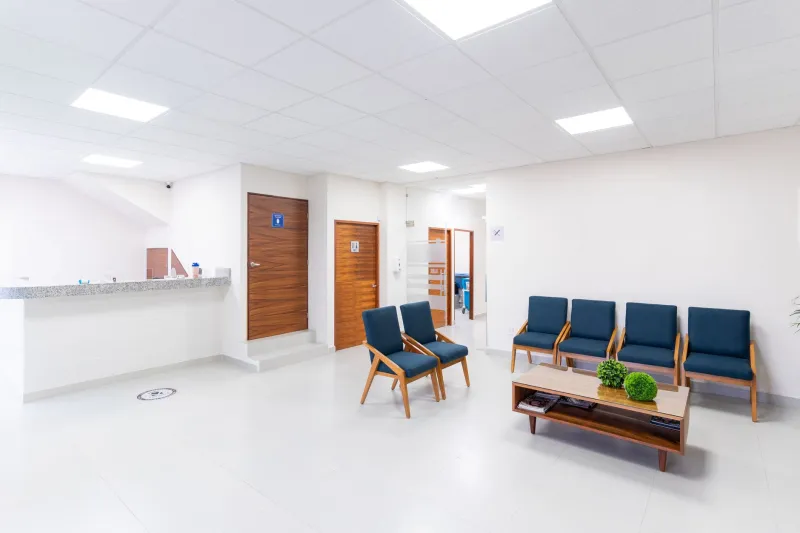
Ninety Minutes in the Waiting Room: The Anxieties Patients Carry but Never Say Aloud
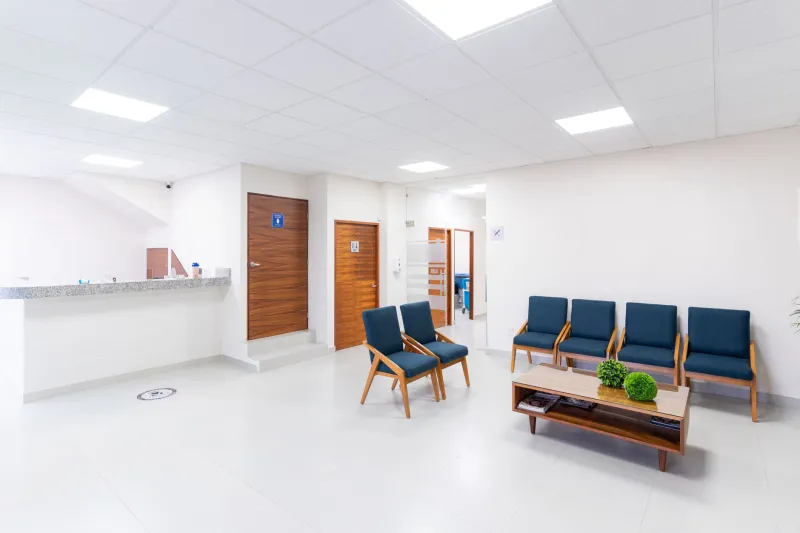
Spend enough mornings in a clinic waiting room and you begin to notice a pattern. Patients do not talk much about their symptoms. They talk about everything that surrounds the symptoms — the copay they're not sure they can cover, the scan results they're afraid to hear, the worry that they'll be rushed out the door before they finish a sentence.
Over the past six months, we paid quiet attention to these unscripted moments in our own waiting area. No names, no notes taken in front of anyone — just an honest attempt to understand what patients carry with them in the fifteen, thirty, or ninety minutes before they're called back. What we heard reshaped how we think about care.
What People Are Actually Afraid Of
The anxieties clustered into a few familiar shapes.
The bill before the diagnosis. More often than expected, financial worry arrived ahead of medical worry. Patients rehearsed questions to the front desk: Will this be covered? Should I even mention that second concern if it means another visit fee? In a country where medical debt remains a leading source of financial stress, the waiting room is often where a family does the math before the doctor does.
Diagnosis dread. A quieter fear sat with people who were here for follow-up results. They read insurance brochures they didn't need. They checked their phones without scrolling. One woman told her companion she'd rehearsed driving to work afterward because she didn't want to cry in the car. The weight of the unknown can be heavier than any diagnosis.
The fear of not being believed. Perhaps the most striking theme: patients worried they would be labeled difficult for asking questions, or that a symptom described as "minor" would be waved off. Several people practiced how they'd phrase a concern — editing themselves before a clinician ever got the chance to.
Time pressure, real or imagined. Patients watched the clock and assumed a fifteen-minute slot meant fifteen minutes of attention. Some arrived with a single prepared question, as if triaging their own health to be polite.
None of these worries were spoken to staff. They were spoken to spouses, to mothers on the phone, to no one at all.
Why the Wait Matters Clinically
It would be easy to file these observations under "customer service." We'd argue they belong under "clinical care."
Anxiety before an appointment distorts the appointment itself. A frightened patient forgets questions. A patient worried about cost may understate symptoms or decline a recommended test. A patient braced for dismissal may present defensively — or not at all. The waiting room, in other words, is the opening chapter of every visit, and its emotional tone shapes everything that follows.
There is also a matter of trust. When patients feel their unspoken fears are anticipated — when the front desk proactively explains a billing question, or a nurse says, "Take your time, we have room in the schedule" — the entire relationship changes. Compassionate care, close to home, is a promise that has to start before the exam room door opens.
What Clinics Can Do
The fixes are neither expensive nor complicated:
- Name the money question first. A one-page, plain-language estimate of typical visit costs, offered at check-in, defuses the single loudest anxiety we observed.
- Signal time generously. Staff who say "we're not rushed today" change how patients prioritize their concerns. Scheduling that builds in a small buffer communicates the same thing silently.
- Normalize results anxiety. For follow-up visits, a simple reassurance — "We'll go through everything together today, and you'll leave with a plan" — addresses the dread of the unknown directly.
- Invite the second question. Train every team member to ask, "What else has been on your mind?" It gives patients permission they're clearly waiting for.
- Make the space humane. Comfortable seating, natural light, water, and clear signage are not amenities. They are a message: you are not a number in a queue.
What Patients Can Do
This is not a one-sided fix. A few habits can make the wait lighter:
- Write down your questions — all of them. Bring the list. Hand it over if time runs short.
- Ask about cost at check-in, not after. Front desk staff answer these questions every day; you are not the first to ask.
- Say the fear out loud once. "I'm nervous about these results" is a sentence clinicians hear constantly and respond to well.
- Arrive a little early on purpose. Rushing in elevates every other stress; a few unhurried minutes do the opposite.
An Invitation
We share these observations not because our waiting room is unusual, but because it isn't. Every clinic in every town in America has a room full of people rehearsing questions they may never ask. Treating that half-hour of fear as part of the visit — not the preamble to it — may be one of the most affordable improvements in medicine available to us.
The waiting room taught us that patients rarely worry about the thing they came in for. They worry about everything around it. Good care meets people where that worry actually lives.