A Year of Sniffles: Reading the Seasons Behind Your Symptoms
Every runny nose tells a story, and the calendar is often the best clue to what that story is. A scratchy throat in April means something very different than the same symptom in October. Understanding the rhythm of the seasons—what blooms when, which viruses peak when, and which risks emerge outdoors when—can save you worry, time, and unnecessary appointments. Here is a practical guide to what is likely behind your symptoms throughout the year, and when it makes sense to be seen.
Winter: Peak Virus Season (December–February)
Influenza typically reaches its high point between December and February across most of the United States, though the exact timing shifts year to year. Respiratory syncytial virus (RSV) and the common coronaviruses also circulate heavily, and COVID-19 tends to surge in the colder months.
Common symptoms: Fever, body aches, fatigue, cough, and congestion arriving suddenly over a day or two suggest influenza. A gradual onset of sore throat and sniffles points toward a common cold.
Home care is usually enough when: Symptoms are manageable, fever responds to over-the-counter reducers, and you can keep fluids down.
Consider a visit when: You are in a higher-risk group (over 65, pregnant, immunocompromised, or managing chronic conditions) and symptoms appear within 48 hours of onset—antiviral treatment for flu works best when started early. Difficulty breathing, chest pain, confusion, or a fever that will not break after several days always warrants evaluation.
Early Spring: The Pollen Onslaught (March–May)
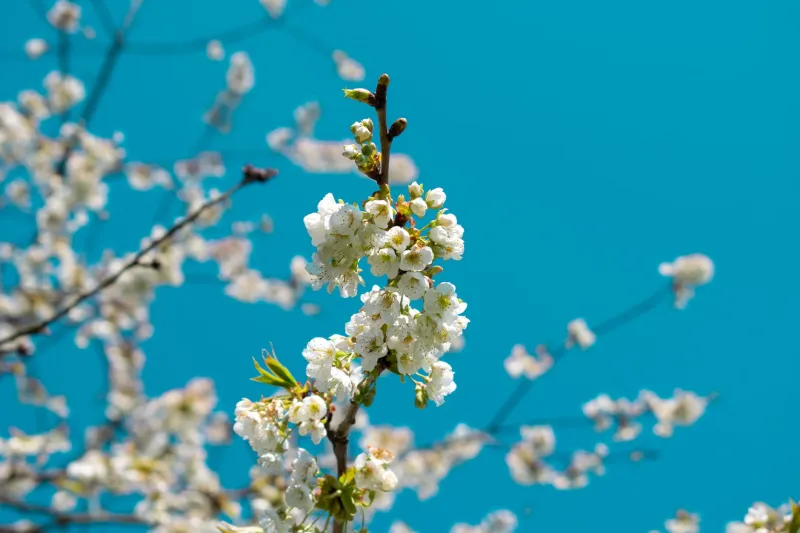
Tree pollen begins ramping up in March in the South and April in northern states. Oak, birch, maple, and cedar are frequent culprits. Allergies can mimic a cold almost perfectly, which leads many people to treat the wrong problem for weeks.
The telltale differences: Allergies rarely cause fever. Itching—of the eyes, nose, or throat—is a strong allergy signal. Symptoms that persist for weeks without worsening, or that improve indoors and on rainy days, lean allergic.
Home care first: Non-drowsy antihistamines, saline rinses, and showering after outdoor exposure manage most cases.
A visit makes sense when: Over-the-counter options fail, symptoms interfere with sleep or work, or you develop wheezing. Persistent allergies can trigger sinus infections and asthma flares that do need treatment.
Late Spring and Summer: Ticks, Heat, and Grass (May–August)
Warm months shift the risk profile outdoors. Grass and ragweed pollen affect late-summer sufferers, but the standout seasonal concern is tick-borne illness. Lyme disease risk is highest in the Northeast, mid-Atlantic, and upper Midwest from late spring through summer.
What to watch for after time in wooded or grassy areas: An expanding, sometimes bull's-eye-shaped rash, fatigue, joint aches, or fever in the weeks following a tick bite. Early Lyme disease responds well to antibiotics, so timely evaluation matters.
Also on the summer list: heat exhaustion (dizziness, nausea, headache during hot weather) and swimmer's ear.
Seek care when: A rash or flu-like illness follows a tick exposure, or heat-related symptoms include confusion or vomiting.
Early Fall: Ragweed and the Back-to-School Wave (September–October)
Ragweed season peaks in September across much of the country, affecting an estimated 23 million Americans. Simultaneously, schools reopen and respiratory viruses begin their annual relay among families. It is entirely possible to battle both at once.
Sorting it out: Itchy eyes plus symptoms that improve with antihistamines suggest ragweed. Fever, sore throat, or a sick classmate at home points viral.
Practical step: This is the ideal window for your annual flu shot, ideally by the end of October, before transmission climbs.
Late Fall: The Transition Months (November)
As pollen fades, viruses take center stage. Cold weather itself does not cause illness, but more time indoors means closer contact and easier transmission. This is also when it is worth reviewing whether you are due for updated COVID-19 vaccination.
Watch for: Strep throat, which peaks in late fall and winter, especially in children ages 5 to 15. Fever, painful swallowing, and swollen tonsils without a cough deserve a rapid strep test.
A Simple Self-Triage Framework
Whatever the month, three questions help you decide your next step:
- How fast did it start? Sudden onset suggests infection; slow and steady suggests allergy or irritation.
- Is there a fever? Fever points to infection, not allergy.
- Is it getting better or worse? Steady improvement supports home care. Symptoms worsening after day five to seven, or any breathing difficulty, merit a call.
When in Doubt, Ask
No calendar replaces clinical judgment. If a symptom lingers, recurs every season with increasing severity, or simply worries you, a brief visit or phone call to your clinic can bring clarity. Seasonal patterns are guides, not guarantees—and the best time to check on a concern is before it becomes urgent.