Asking Again Isn't Betraying: A Patient's Guide to the Second Opinion

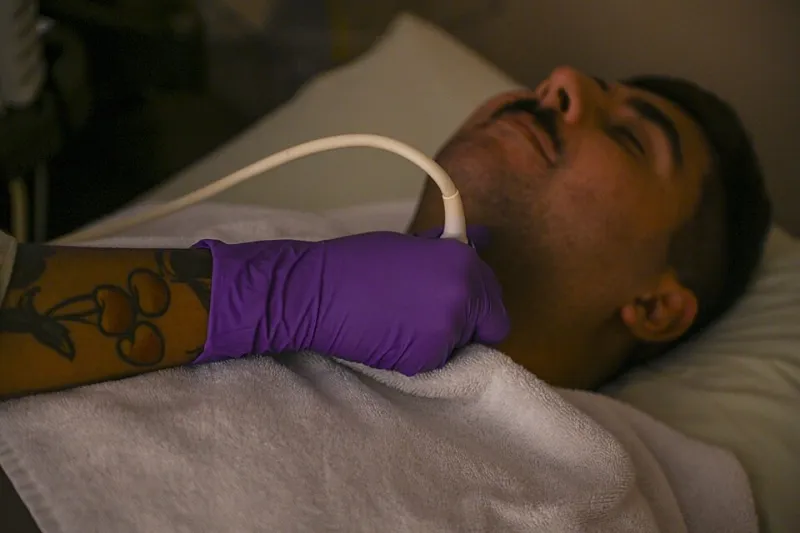
Photo: Unknown, CC BY 4.0, via Wikimedia Commons
Few sentences in an exam room carry as much unspoken weight as the question a patient rehearses in the car on the way home: Should I get another opinion? Many people never ask it out loud. They worry it will wound their physician's pride, slow down an urgent treatment plan, or mark them as a difficult patient. The reality is far less dramatic. Second opinions are an ordinary, well-understood feature of American medicine — and physicians who are confident in their work rarely object to them.
Why a Second Look Is Standard Practice, Not an Accusation
Medicine is a discipline of interpretation. Two radiologists can read the same scan and reach slightly different conclusions; two surgeons can disagree about whether an operation is warranted. This is not a flaw in the system — it is the system working. Large academic medical centers routinely build second opinions into their protocols, particularly before major surgeries, cancer treatment, and long-term medication regimens. Insurers, including Medicare, frequently cover them.
Think of it this way: you would not hire a contractor to remodel your kitchen without comparing bids. A decision about your health deserves at least the same deliberation.
Signals That Another Perspective Is Worth Pursuing
Not every diagnosis requires a second opinion, but certain situations warrant one:
- The diagnosis is serious or life-changing, such as cancer, a condition requiring surgery, or a chronic illness that will reshape daily life.
- The recommended treatment carries significant risk or is irreversible.
- Your symptoms persist despite following the prescribed plan.
- The explanation doesn't add up, or you leave appointments with questions you can't quite articulate.
- You simply feel uncertain. Doubt is a legitimate clinical signal, not a character flaw.
There is also a practical version of this instinct. If a proposed plan involves elective surgery, a nationwide survey of surgical second-opinion programs has historically found that a meaningful share of recommendations change when reviewed by a second specialist. That alone justifies the appointment.
How to Raise It Without Awkwardness
Most patients overestimate how personally physicians take these requests. A good physician hears "I'd like another opinion" as a patient taking their health seriously. A few scripts that work well:
- "This is a big decision for me, and I want to feel fully confident before moving forward. Could you recommend a specialist for a second opinion?"
- "I'd like to explore my options before we proceed. Can you help me arrange that?"
- "My family is asking questions I can't answer yet. Would it be reasonable to have another specialist review my case?"
Notice that none of these accuse anyone of error. They frame the request as thoroughness, which is exactly what it is. If a provider reacts with irritation or pressure to decide immediately — outside of a genuine emergency — that reaction is itself useful information.
What Your Primary Care Clinic Actually Does Behind the Scenes
This is where neighborhood medicine earns its keep. When you request a second opinion through your regular clinic, a surprising amount of coordination happens on your behalf:
- Records are assembled. Your exam notes, lab results, and imaging are compiled — often electronically — and sent to the consulting specialist.
- The right specialist is chosen. A family physician who knows your history can distinguish between, say, a general orthopedist and one who specializes in a particular joint or procedure.
- Insurance questions are addressed. Front-desk staff can verify whether a referral is required and whether the specialist is in your network, saving you a surprise bill.
- Results come back to one place. After the consultation, the findings flow back to your primary physician, who can help you weigh the two opinions against each other.
This coordination is one of the strongest arguments for having a consistent medical home. A doctor who has treated you for years can write a referral letter that gives the specialist genuine context, not just a stack of printouts.
Making the Most of the Second Appointment
Arrive prepared. Bring a written list of questions, a current medication list, and a concise summary of your symptoms and timeline. Ask the consulting physician directly: "Do you agree with the diagnosis? Would you recommend a different treatment? What would you do if this were your family member?" Take notes or bring someone to listen with you — anxiety narrows attention, and a second set of ears catches what yours misses.
If the two opinions agree, you gain confidence to proceed. If they diverge, a third consultation — sometimes with an academic center — or a follow-up conversation with your primary care physician can help you arbitrate. Disagreement between specialists is not a dead end; it is data.
The Bottom Line
A second opinion is not a vote of no confidence. It is a second set of eyes on the most important project you will ever manage: your own health. Good physicians welcome engaged patients, and a clinic that helps you arrange a second opinion smoothly is doing exactly what it should. Ask the question. The answer, more often than not, will be, "Of course — let's get it scheduled."