Fifteen Minutes in the Lobby, Fifteen Minutes of Preparation: A Case for the Productive Wait

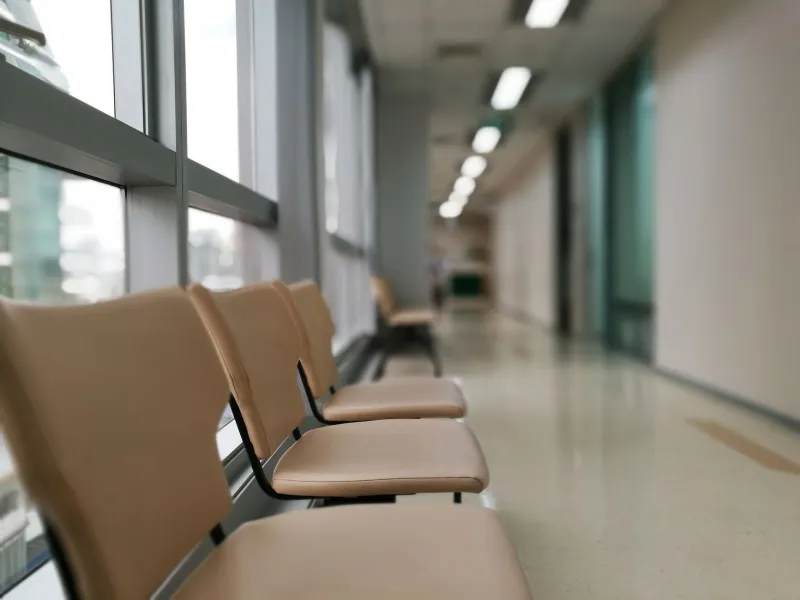
Photo: Johnnybam, CC BY-SA 4.0, via Wikimedia Commons
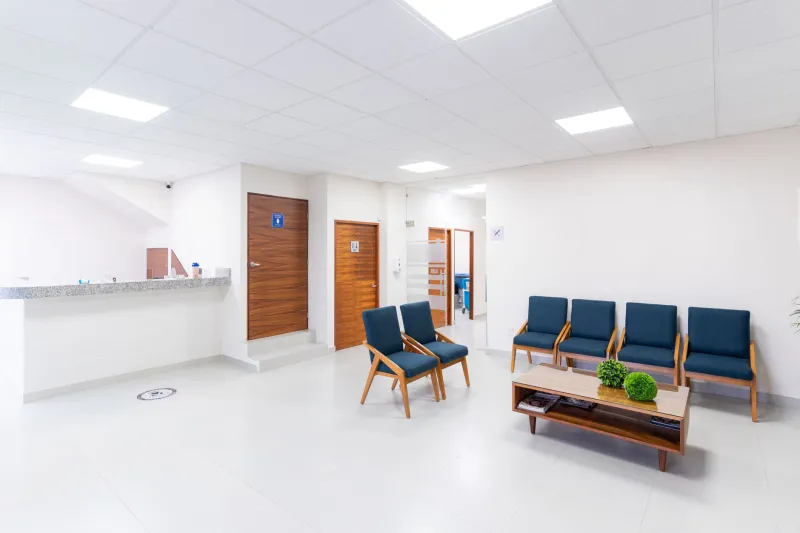
There is a particular kind of stillness in a medical waiting room. The magazines are three years old. The television hums at a volume nobody chose. Somewhere between signing in and hearing your name called, fifteen or twenty minutes simply evaporate.
We would like to propose a different way of seeing that stretch of time. Rather than a tax imposed by the schedule, the wait can function as a runway — a short, quiet interval in which a patient prepares to get real value from the visit. Here is how to spend it.
Take Inventory of Your Medications
Few questions stall an appointment faster than "What are you currently taking?" Names blur, doses evaporate, and supplements get forgotten entirely. Use the wait to open your phone's notes app and type out every medication, vitamin, and over-the-counter remedy you have touched in the past month, along with the dose if you know it.
If you already keep a written list — and we recommend that every household does — simply review it. Add anything new, cross off anything discontinued. When the medical assistant asks, you will have an answer in seconds instead of a shrug.
Write Down the Three Questions You Always Forget
Nearly every patient has experienced it: the symptom that vanishes the moment you sit on the exam table, the concern that felt urgent on Tuesday and unmentionable by Friday. The waiting room is the ideal place to close that gap.
Write down three questions — no more. Three is short enough to actually ask and specific enough to be answered. "That dizzy spell last week — is it worth checking my blood pressure at home?" carries more weight in a visit than a vague sense that something has felt off. When the appointment begins, read your list aloud. Clinicians genuinely appreciate it; it makes their work more precise.
Update the Basics Before Anyone Asks
Insurance cards get reissued. Employers change plans in the fall. Phone numbers and emergency contacts drift out of date without anyone noticing. If your clinic offers a check-in tablet or kiosk, treat it as more than a formality — verify your address, your pharmacy of choice, and your consent-to-share preferences while you have a spare moment to think.
This kind of housekeeping prevents the downstream annoyances: bills mailed to an old address, prescriptions sent to a pharmacy across town, forms that have to be redone next visit.
Note What Has Actually Changed Since Last Time
Rather than trying to reconstruct your health from memory in the exam room, spend a few minutes asking yourself a simple question: what is different since my last visit? A new ache that comes and goes. A sleep pattern that has shifted. A family member's new diagnosis. A medication that seems to be working — or one that clearly is not.
Jot down two or three changes in plain language. This gives your clinician a timeline to work from, which is often the single most useful thing a patient can bring into the room.
Breathe, Then Measure the Moment
There is one more use for the wait, and it is not productivity at all. Blood pressure readings taken immediately after a stressful commute or a frantic search for parking tend to run high. If you arrive ten minutes early and spend eight of them seated quietly — phone face down, shoulders dropped — the reading your care team takes is more likely to reflect your actual baseline rather than your morning.
In other words, some of the most clinically valuable waiting room behavior is the calmest kind. Preparation and stillness are not in conflict; they are the same habit viewed from two angles.
A Word to the Waiting
None of this requires an app, a subscription, or a system. A phone's default notes app and a little intention are enough. The waiting room will still have the old magazines and the humming television, but the minutes themselves need not be lost. Spend them well, and the appointment that follows — for you and for the person treating you — starts further ahead than it otherwise would have.