Turn Down the Volume: How Waiting Room Sound Shapes Your Blood Pressure, Your Mood, and Your Visit
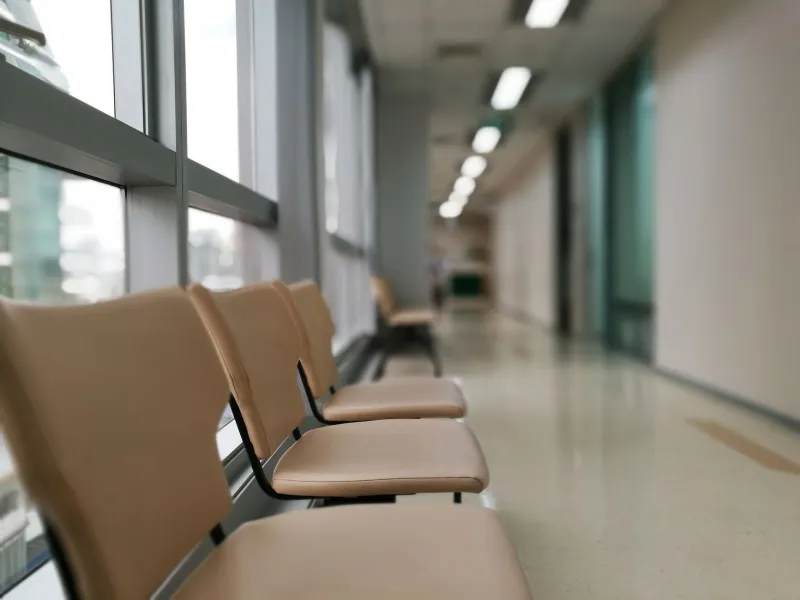
Consider a detail most patients register without ever thinking about it: the moment the clinic door closes behind them, something is already playing. A radio station. A television tuned to a morning talk show. A looping playlist of soft piano. Whatever it is, that soundtrack is quietly participating in the appointment before the patient has even checked in.
At I-LL Clinic, we think the waiting room deserves more deliberate attention than it usually receives. Sound is not decoration. For a patient sitting with a racing pulse and a form to fill out, it can be part of the clinical environment in a very literal sense.
What the Research Actually Says
Studies on environmental noise in healthcare settings have consistently linked loud or unpredictable sound to elevated physiological stress. Cardiac monitoring research has shown that hospital noise — alarms, chatter, televisions — can raise heart rate and blood pressure, and disrupt sleep for inpatients. Outpatient waiting areas have received less scrutiny, but the mechanisms are the same: the human nervous system responds to acoustic environment whether or not a person is consciously annoyed by it.
This matters at the clinic for a practical reason. Blood pressure is frequently measured during routine visits, and many patients already experience "white coat hypertension," a documented phenomenon in which readings run higher in medical settings than at home. A blaring television, a crying child two chairs away, and a receptionist shouting over the din do not help anyone get an accurate baseline. A calmer room may genuinely contribute to calmer numbers.
The satisfaction data points the same direction. Surveys of patient experience repeatedly identify noise as one of the most common environmental complaints in medical facilities. Patients rarely leave a practice because the music was wrong — but a chaotic, jangling space colors how the entire visit is remembered, including the quality of care received.
Why Waiting Rooms Get It Wrong
Most clinics did not choose their soundscape; it accumulated. A radio was brought in years ago, a television was mounted for one waiting flu season and never taken down, and nobody has revisited the decision since. The result is often an environment that reflects habit rather than intention.
There are also genuine tensions to manage. A television can distract an anxious patient. Background music can mask private conversations at the front desk — a real privacy concern under HIPAA. But the same television blaring a daytime courtroom show can spike the stress of a patient waiting for test results. The goal is not silence, which can feel eerie and make every cough audible. The goal is intentional sound.
A Patient's Guide to a Quieter Visit
Patients are not powerless here. A few practical steps:
- Say something, kindly. Front desk staff and practice managers genuinely want to know when the environment is working against patients. A brief comment — "the TV volume makes it hard to relax before appointments" — is more useful than a poor review posted later.
- Use the comment card or survey. Patient experience surveys are read by someone. Noise complaints are actionable in a way that most feedback is not.
- Bring your own calm. Noise-canceling earbuds or a familiar playlist on low volume is a completely reasonable way to manage pre-appointment nerves, and many clinicians would endorse it.
- Time your visit strategically. If a particular hour tends to be loud — Monday mornings, lunch rushes — ask the scheduler when the waiting room is typically quietest.
What Clinics Can Do: Small Changes, Measurable Returns
For practices willing to audit their soundscape, the fixes are inexpensive:
- Choose instrumental over vocal. Research on music in healthcare settings suggests slow-tempo instrumental music — roughly 60 to 80 beats per minute, near resting heart rate — is associated with reduced anxiety. Lyrics demand cognitive processing; soft piano or strings do not.
- Retire the waiting room television, or lower it dramatically. If a TV must stay, keep the volume low, avoid news and medical programming (which can trigger health anxiety in exactly the wrong audience), and position it away from the seating area.
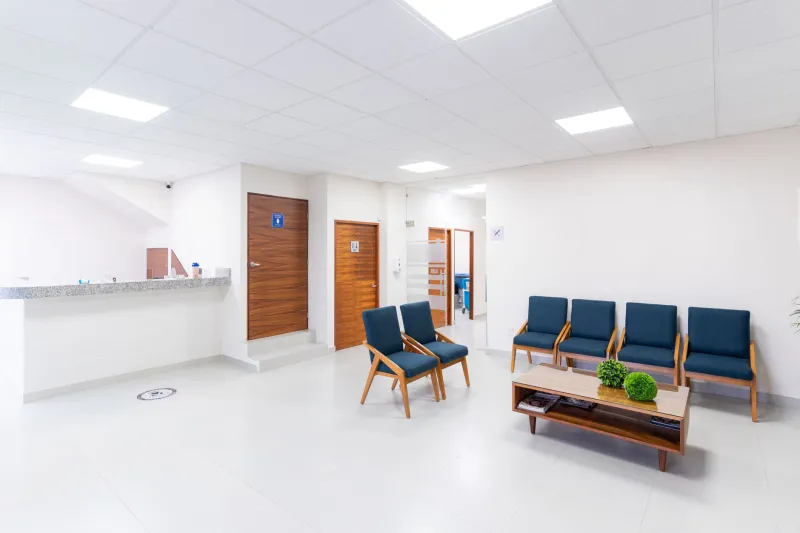
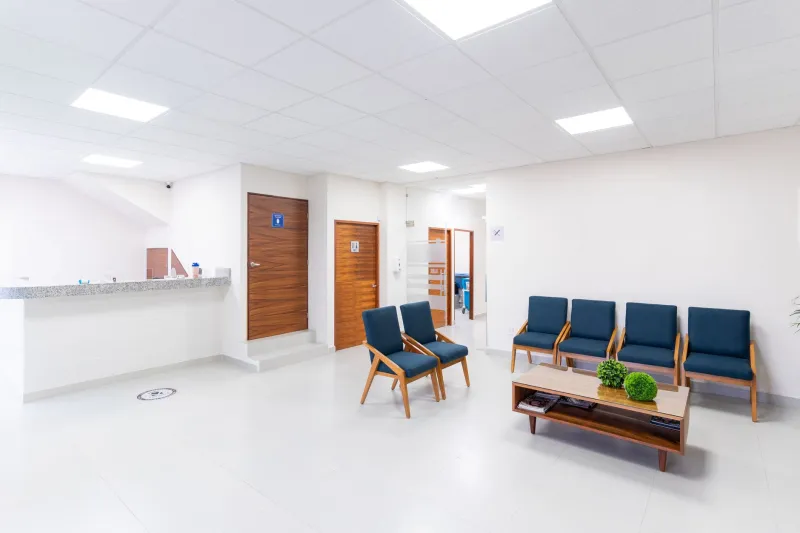
- Mind the acoustics. Soft furnishings, plants, and even acoustic ceiling panels absorb the reverberation that makes a room feel chaotic. A quiet HVAC system matters too; a rattling vent is a low-grade stressor all day long.
- Protect speech privacy. Music at a modest level can help mask front-desk conversations, protecting patient confidentiality — one of the few cases where sound is the solution, not the problem.
- Ask staff for input. Employees hear the playlist eight hours a day. Their fatigue with a looping soundtrack is a useful signal.
The Larger Point
A waiting room is the first room of the appointment. Everything a patient experiences there — the chair, the lighting, the sound — frames the care that follows. Compassionate, close-to-home medicine does not stop at the exam room door; it begins with whether a nervous patient can sit down, take a breath, and feel the room working with them rather than against them.
Turn the volume down. The blood pressure cuffs will thank you.