Home From the Airport, Not Yet in the Clear: How Families Can Keep Travel Bugs From Spreading Indoors
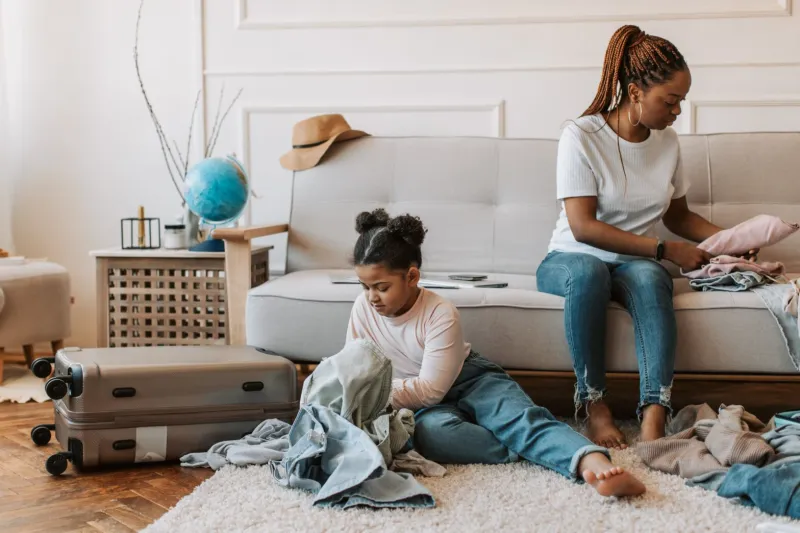
Photo: family unpacking suitcases at home after travel, via cms.travelnoire.com
The Day You Come Home Is Not the Day You're Done Traveling
Every year, millions of American families return from spring break in Orlando, a work conference in Chicago, or a holiday visit across state lines carrying something they didn't pack: an infection with a delay timer attached. Respiratory viruses, stomach bugs, and other travel-acquired illnesses rarely announce themselves at the gate. They wait — often two to five days — before making their presence known.
That quiet window is where most household spread happens. A parent who feels fine on Sunday can pass a virus to an infant, an elderly parent, or an immunocompromised relative by Wednesday, all while believing they brought nothing home but laundry.
A Symptom Timeline Worth Knowing
Understanding when common post-trip illnesses typically surface can help you separate ordinary fatigue from something worth watching:
- Influenza: Symptoms usually appear one to four days after exposure, and they tend to arrive abruptly — fever, body aches, chills.
- COVID-19 and other respiratory viruses: Generally two to five days, though the range can stretch longer. A mild scratchy throat may be the only early signal.
- Norovirus and other stomach illnesses: The fastest of the bunch, often 12 to 48 hours. Sudden nausea or vomiting after a trip deserves attention.
- Common colds: One to three days, usually milder and slower to build.
If symptoms appear within these windows, note when your trip ended and where you traveled. That timeline is genuinely useful information for the clinician who eventually sees you.
Five Habits for the First Week Home
You don't need to quarantine the family in the basement. A few modest precautions dramatically reduce the odds of passing something along:
- Treat the first three to five days as a soft watch period. Skip close contact with high-risk household members — newborns, grandparents, anyone undergoing cancer treatment — until that window closes.
- Wash hands like it's still airport season. Twenty seconds with soap, especially before touching shared kitchen surfaces.
- Give shared spaces a wipe-down. Doorknobs, refrigerator handles, remote controls, and bathroom faucets are the highways viruses travel indoors.
- Keep the suitcases out of the bedroom. Luggage has been everywhere from airplane seat pockets to hotel floors. Unpack in a hallway or laundry room, and run travel clothes through a warm wash.
- Sleep and hydrate deliberately. Travel suppresses the immune system. A few early nights help your body finish the fight it may have already started.
When to Call the Clinic After a Trip
Most post-travel sniffles resolve on their own. But some situations warrant a phone call rather than a wait-and-see approach:
- A fever above 100.4°F that persists more than a day or two
- Breathing that feels labored, or a cough that worsens rather than improves
- Vomiting or diarrhea lasting beyond 48 hours, or signs of dehydration
- Any symptoms in an infant, an adult over 65, or someone with a chronic condition
- Symptoms that follow international travel, particularly to regions where illnesses like typhoid, dengue, or malaria are present — these require prompt evaluation regardless of severity
When you call, mention your travel dates and destinations up front. It changes how urgently we triage and what we test for.
The Grandma Problem: Protecting the People Who Were Happy to See You Go
There's a particular irony in bringing a virus to the relative you traveled to visit — or to the grandparent waiting at home. If your household includes anyone in a higher-risk group, consider a brief period of distance even when you feel well. Wearing a mask around a newborn or an elderly parent for the first few days home is a small courtesy with real protective value.
And if you do develop symptoms, a timely visit matters. Antiviral treatments for influenza and COVID-19 work best when started early — often within 48 hours of the first sign of illness. Waiting out the weekend can close that window.
A Note on Post-Trip Checkups
For most healthy travelers, a routine post-trip appointment isn't necessary. But a scheduled visit makes sense if you traveled internationally, spent time in crowded congregate settings, are managing a chronic illness, or simply want the reassurance of a professional once-over before rejoining the household routine.
Travel connects us — to places, to family, to the wider world. A little intentional hygiene on the way home ensures the only thing you import is the memories.