Six Weeks of Sniffles: Why September Sickness Hits Every Classroom, and What a Parent Can Actually Do
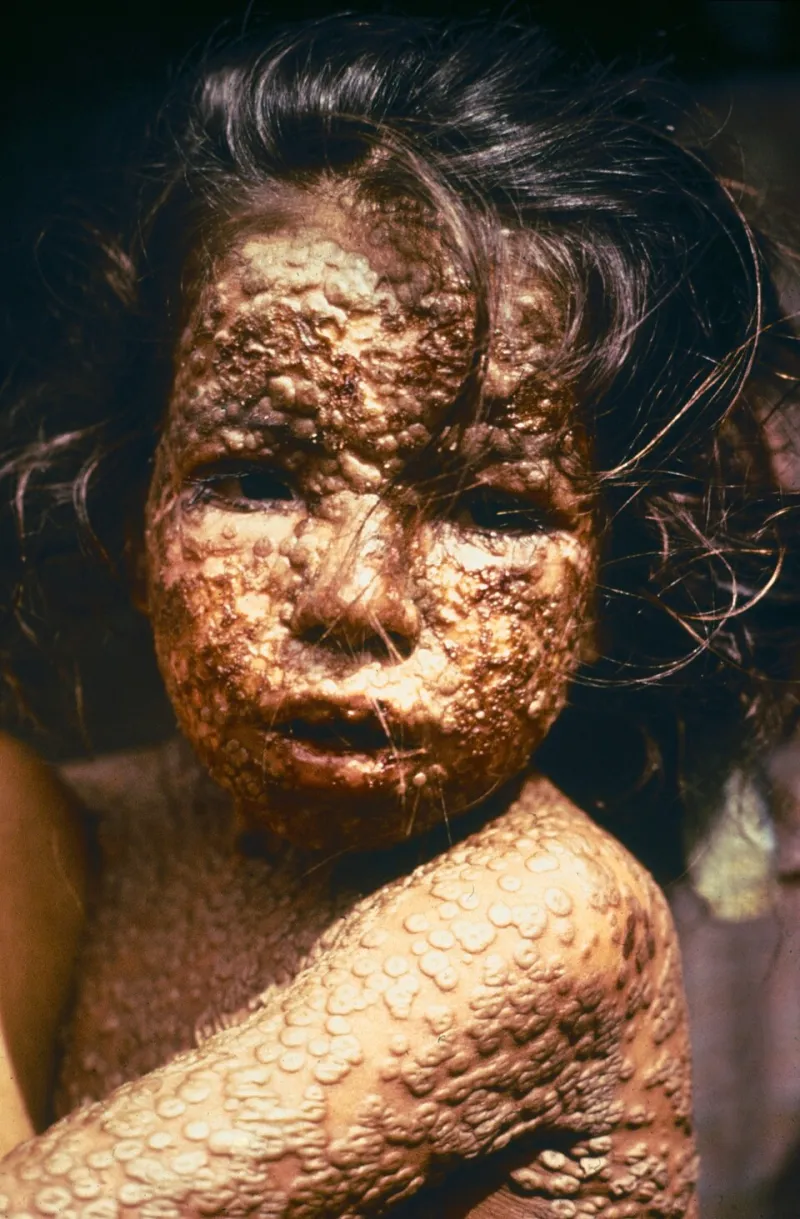
Photo: Photo Credit: Content Providers(s): CDC/James Hicks, Public domain, via Wikimedia Commons
Every September follows a script. Backpacks are packed, routines are re-established, and within two or three weeks, the phone lines at pediatric offices and family clinics light up with the same complaints: sore throats, runny noses, low fevers, and the occasional stomach bug making the rounds. Parents sometimes wonder whether their child's immune system is somehow failing. It is not. What they are witnessing is one of the most predictable patterns in community health.
Why the School Year Runs on a Germ Calendar
During summer months, children see fewer people their own age, and the viruses that circulate among kids largely pause. When school resumes, dozens of children from different households share enclosed classrooms, cafeterias, and buses for the first time in months. Each child brings back their own small collection of viruses, and the classroom becomes an exchange program for them.
Infectious disease researchers have long observed that respiratory illnesses in children spike within the first six weeks of a school term, then taper as the majority of students build short-term immunity to the strains circulating locally. This is not a failure of hygiene or parenting; it is how immune systems meet the world. Younger children, particularly those in preschool and early elementary grades, tend to bear the brunt of it because their immune memory is still being written.
What Actually Helps, and What Is Folklore
Some of the standard advice holds up under scrutiny, and some deserves retirement.
What the evidence supports:
- Handwashing over sanitizers, most of the time. Soap and running water for twenty seconds removes more types of germs than many gels, though an alcohol-based sanitizer is a reasonable stand-in when a sink is not available.
- Adequate sleep. Children who consistently get the sleep recommended for their age show measurably better immune responses. September's schedule upheaval often quietly erodes bedtime, which makes the first weeks a good time to protect it.
- Staying current on routine immunizations. The annual flu vaccine, typically recommended by early fall, matters most before local activity begins to climb.
- Not touching the face. Unpopular advice with children, but respiratory viruses most often enter through the eyes, nose, and mouth after contact with contaminated surfaces or hands.
Where folklore creeps in: Vitamin C megadoses have not been shown to prevent colds in children, and antibiotics do nothing against viruses, which cause the overwhelming majority of back-to-school illnesses. A green nasal discharge, long believed to signal a bacterial infection requiring antibiotics, is a normal part of a viral cold's progression and is not by itself a reason to seek medication.
The Keep-Home Question, Answered Practically
Few parenting decisions generate more second-guessing than whether to send a child to school with symptoms. A workable framework:
Keep your child home if: there is a fever of 100.4°F or higher, vomiting or diarrhea within the past twenty-four hours, a rash with fever, or the child is too uncomfortable to participate in class. Most schools and districts publish their own exclusion criteria, and they generally align with these thresholds.
Send your child if: symptoms are limited to a mild runny nose, a lingering cough after other symptoms have resolved, or mild fatigue without fever. Children with ordinary colds are often contagious before symptoms even appear, so keeping home every child with the sniffles accomplishes little and costs attendance.
The return-to-school rule most districts follow is straightforward: fever-free for twenty-four hours without fever-reducing medication, and no vomiting for the same window.
When to Stop Waiting and Call the Clinic
Most September illnesses resolve on their own with rest, fluids, and patience. Still, some signs warrant a phone call rather than another day of watching and waiting:
- A fever lasting more than three days, or any fever in an infant under three months
- Difficulty breathing, rapid breathing, or ribs pulling in with each breath
- Signs of dehydration, including markedly reduced urination or an inability to keep fluids down
- A sore throat with fever and no cough, which raises the question of strep throat and a needed test
- Unusual drowsiness, persistent headache with fever, or behavior that seems genuinely off from your child's baseline
Clinics, including ours, would always rather field a call that turns out to be nothing than have a family wait too long. Nurse lines exist precisely for the gray areas, and describing symptoms over the phone often settles the question within minutes.
A Season to Get Through, Not Fear
The September wave is exhausting, but it is also temporary and, in a sense, useful. Every cold a young child rides out adds to a repertoire of immune memory that will serve them for years. The goal is not a germ-free autumn — that is not on offer — but a household that sleeps well, washes up, knows which symptoms matter, and has a clinic it can call without hesitation. That combination gets nearly every family through to the quieter weeks of late October.