What If the Best Referral We Could Write Was for a Walk?
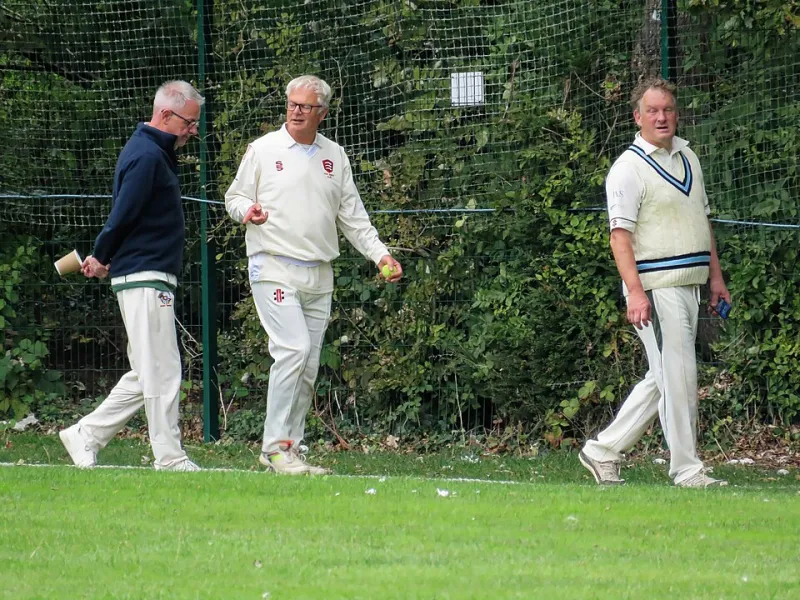
Photo: Acabashi, CC BY-SA 4.0, via Wikimedia Commons
Medicine has a long tradition of the written referral: see a cardiologist, schedule an imaging study, follow up with physical therapy. In the United Kingdom, a quieter kind of prescription has been gaining official status—one that might send a patient to a community garden, a knitting circle, or a guided neighborhood walk. It is called social prescribing, and while it is not yet a standard fixture of American primary care, the idea deserves a serious look from patients and clinics alike.
The premise is simple. A meaningful share of what brings people into a clinic cannot be fixed with a prescription pad. Loneliness, inactivity, chronic stress, and isolation from community resources all show up in blood pressure readings, blood sugar logs, and emergency department visits. Social prescribing acknowledges that connection, movement, and purpose are health interventions—not just pleasant side notes.
The Evidence Behind the Idea
The United Kingdom's National Health Service has formalized social prescribing through "link workers" who connect patients with local programs. Evaluations of these programs, including studies referenced in British primary care literature, suggest participants report improvements in well-being, reduced loneliness, and in some cases fewer primary care appointments. The research is still maturing, and no one argues that a walking group replaces insulin or statins. But the direction of the findings is consistent enough that American health systems, community health centers, and even some insurers have begun experimenting with the model.
The mechanism is not mysterious. Regular moderate activity lowers cardiovascular risk and improves mood. Social contact buffers stress. Volunteering and purposeful activity are repeatedly associated with better health outcomes in older adults. Clinicians know this. What social prescribing adds is structure—a way to actually connect a patient to those resources rather than simply advising them to "stay active."
Why the American Context Is Different
The United Kingdom operates a national health service with centralized infrastructure; the United States runs on a patchwork. There is no universal link-worker program, and reimbursement for non-clinical services remains limited. But the patchwork cuts both ways. American communities are rich in the raw materials of social prescribing: public libraries with free programming, municipal parks and recreation departments, YMCA and community center fitness classes, faith-based walking clubs, Extension Service gardening programs, and volunteer networks like RSVP that pair older adults with meaningful service roles.
What is often missing is the connection—the warm handoff from a clinic that knows a patient's story to a community organization that can change it. That connection does not require legislation. It requires a clinic and its patients to treat community resources as part of the care plan.
A Practical Guide for Patients
If your clinician is not writing social prescriptions yet, you can write your own. Start with three questions:
What do I need more of? Movement, companionship, purpose, time outdoors, or simply a reason to leave the house on a Tuesday. Naming the need makes the search easier.
What exists within fifteen minutes of my home? Your public library is the single best starting point in most American towns. Library event calendars list walking clubs, book groups, technology help sessions, and wellness classes, usually at no cost. Park district and community center catalogs work the same way.
Who can I ask? Pharmacists, senior center staff, county health department employees, and staff at places of worship often maintain informal directories of local programs. Community health workers, increasingly common in US clinics, perform exactly this connecting function.
For those inclined to build rather than browse: a walking group needs nothing more than a consistent time, a safe route, and two or three people. Many successful neighborhood walking clubs began in a church basement or a clinic waiting room conversation. Libraries frequently welcome community-led programming and can help with publicity.
A Note of Honest Caution
Enthusiasm should be paired with realism. Social prescribing is a complement to medical care, never a substitute. Anyone with a chronic condition should discuss new exercise plans with their care team, and symptoms that warrant clinical attention should always receive it. Community programs vary in quality and accessibility, and cost, transportation, and safety barriers are real in many American neighborhoods. The goal is not to romanticize a stroll; it is to widen the definition of what counts as treatment.
A Referral Worth Considering
At our clinic, we spend our days managing conditions—blood pressure, blood sugar, aching joints, anxious nights. Many of the best things a patient can do for those conditions happen outside our walls, on sidewalks, in gardens, and around library tables. Until social prescribing becomes routine in American medicine, the invitation stands: ask us about what your community offers, and consider this article your referral. The pharmacy will still be there. So will the sidewalk.